Jacob Richey
I am a postdoc in the math department at NYU Shanghai, working with Alejandro Ramirez. My research is on combinatorial probability, including models related to network science, statistical physics, dynamical systems, and machine learning.
From 2023–2026, I was a visiting researcher at the Alfréd Rényi Institute of Mathematics in Budapest. Previously, I was a postdoc in the probability group at the University of British Columbia.

Scroll for research, AI, teaching, and other interests
Research in Probability and Combinatorics
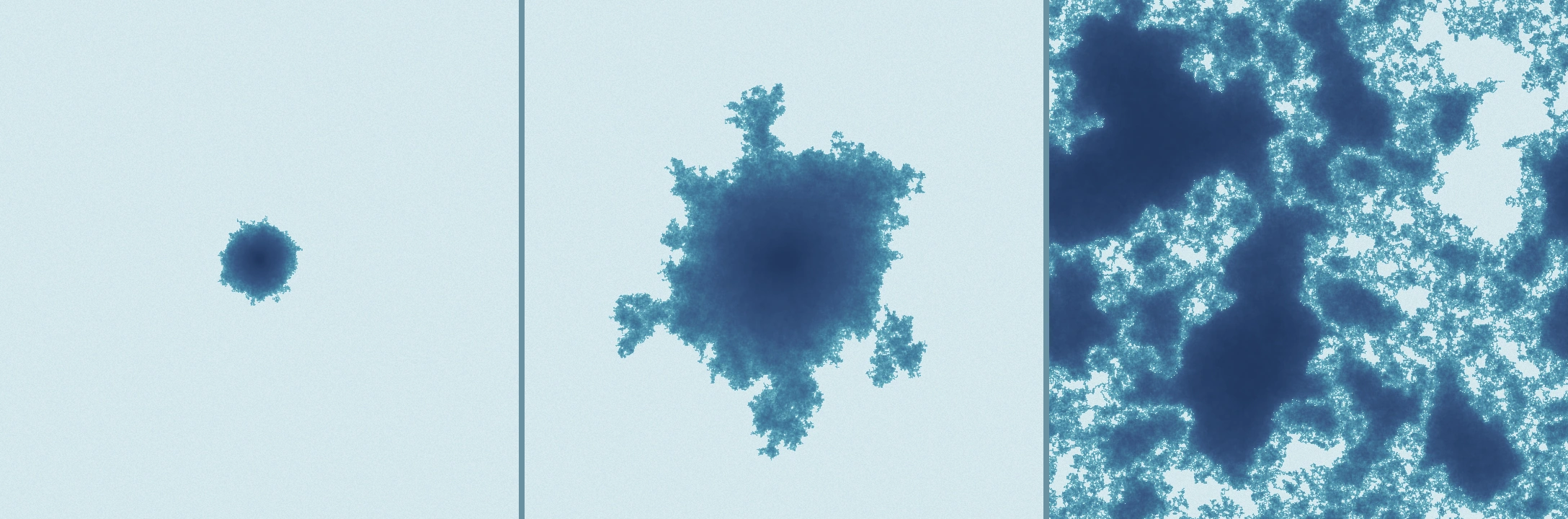
AI-generated research
Explore how complex systems behave, how patterns emerge, and how to count the possibilities. The research here spans probability, interacting particle systems, combinatorics, and dynamical systems.
The work was generated in large part by ChatGPT, with minimal prompting from me. Alongside the writeups, you can explore supporting code and, in selected cases, computer-checked proofs.
63 balloons. One survivor.
Balloons grow at the same speed along the ring. Touching pairs vanish, opening space for the others.
Paused · 7 balloons remain.
The faint petals keep the history. Playback speeds up as the survivors grow.
Zoom into the past.
Each peak is a collision. As space and time shrink together, smaller, earlier collisions come into view.
Paused · drag the slider to explore earlier collisions.
A 64× journey through one collision history, then a fresh window.
What am I looking at?
The curves trace balloon edges as they approach a collision. Horizontal position is space; height is time, drawn on a compressed scale to bring out the finer details. We magnify physical space and time equally, looking closer to time zero. This is a finite simulation with 131,071 starting points on a circle, unwrapped into a local window. It illustrates the paper’s scaling picture on the real line; it is not an exact sample of the infinite limiting process.
Teaching & Mentoring
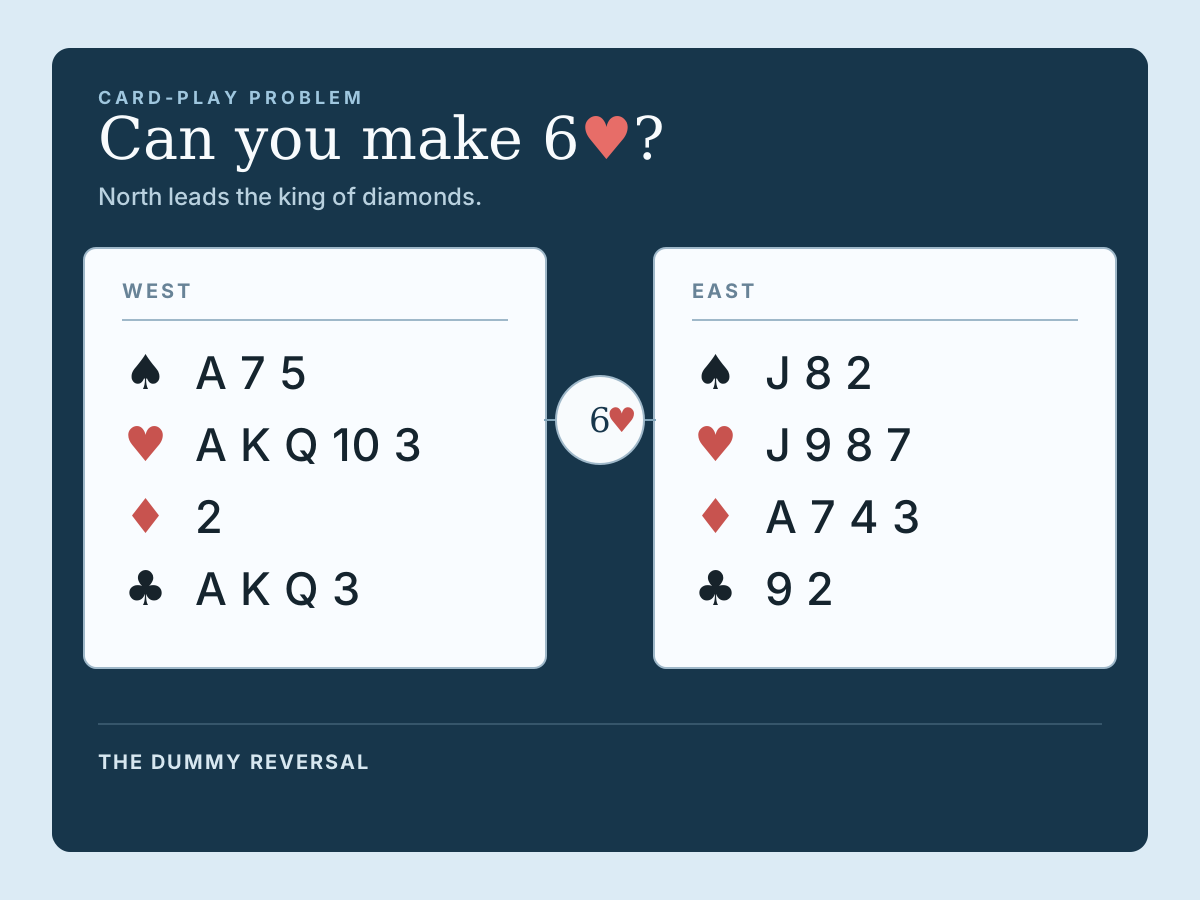
Bridge